
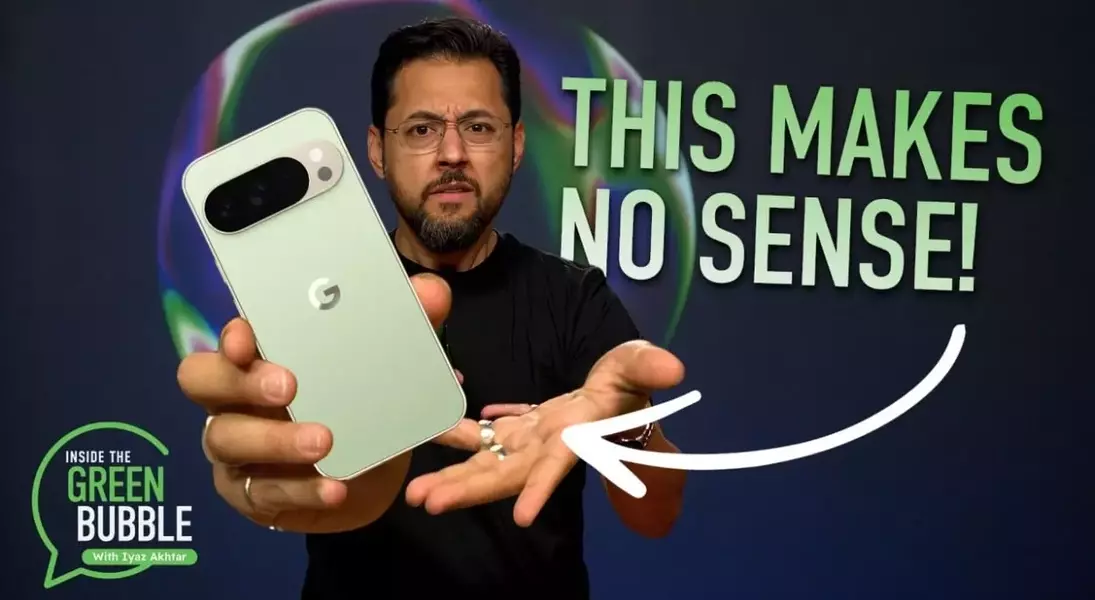
Google's Android operating system dominates the global mobile landscape, installed on billions of devices worldwide. Yet, a puzzling discrepancy emerges when considering the performance of Google's proprietary smartphone line, the Pixel. Despite the vast reach of its operating system, the Pixel has consistently occupied a marginal position in the competitive smartphone market since its inception a decade ago. This article seeks to unravel this enigma, drawing upon insights from industry veterans, including wireless market analysts and seasoned technology journalists, to understand why Google's own hardware has struggled to echo the success of its software.
Over the past ten years, the Google Pixel has aimed to showcase the pinnacle of Android's capabilities, offering a direct vision of Google's hardware and software integration. However, its market footprint remains surprisingly small compared to other Android manufacturers who utilize the same operating system. This raises crucial questions about product positioning, marketing strategies, and consumer perception, particularly in a market saturated with diverse options from established players like Samsung and emerging brands. Understanding these dynamics is essential for comprehending the broader trends in the global smartphone industry.
The Paradox of Android's Dominance vs. Pixel's Niche Appeal
Google's Android operating system powers an astounding 3 billion devices globally, a testament to its pervasive influence in the mobile sector. However, this colossal reach contrasts sharply with the relatively minor market presence of Google's flagship smartphone, the Pixel. Since its launch a decade ago, the Pixel has struggled to carve out a substantial share in the fiercely competitive smartphone landscape, often overshadowed by its Android counterparts manufactured by other companies. This peculiar divergence has prompted an in-depth investigation into the factors contributing to the Pixel's limited appeal despite its strong software foundation. Industry experts, including wireless market analysts and veteran tech journalists, offer varied perspectives, highlighting the complexity of market dynamics and consumer preferences in the mobile technology arena.
The discrepancy between Android's widespread adoption and the Pixel's niche status underscores a significant challenge for Google in translating its software prowess into hardware success. Despite offering a 'pure Android' experience, cutting-edge camera technology, and timely software updates, the Pixel has not resonated with the mass market to the extent of its competitors. Factors such as brand recognition, distribution channels, aggressive marketing by other manufacturers, and pricing strategies might play pivotal roles. While some experts point to the lack of widespread carrier support or limited marketing budgets compared to giants like Samsung and Apple, others suggest that Google's inconsistent product strategy or the absence of a unique, compelling selling proposition beyond software purity might be hindering its growth. The ongoing journey of the Pixel continues to be a fascinating case study in the dynamics of the global smartphone market.
Expert Insights on Pixel's Market Challenges
To gain a comprehensive understanding of the Google Pixel's constrained market penetration, extensive discussions were held with a diverse group of industry professionals. These included a knowledgeable wireless market analyst, two seasoned technology journalists with years of experience covering the mobile sector, and a distinguished consumer electronics editor from a reputable tech publication. Their collective insights, though not entirely harmonious, shed light on the multifaceted challenges confronting the Pixel. The experts emphasized that while Google's Android operating system enjoys unparalleled global adoption, the Pixel's journey has been marked by an inability to fully capitalize on this inherent advantage, leading to its persistent struggle for broader recognition and market share within the competitive smartphone industry.
The consensus among these experts suggests that several interlocking factors contribute to the Pixel's modest market performance. Some analysts highlight Google's relatively late entry into the premium smartphone segment, facing entrenched loyalty towards Apple and Samsung. Others point to inconsistent marketing efforts and a distribution strategy that hasn't always matched the reach of its competitors. The perception of Google as primarily a software and services company, rather than a hardware innovator, might also influence consumer choices. Furthermore, the rapid pace of innovation from other Android manufacturers, who often release a wider variety of models with diverse price points and features, could be diluting the Pixel's unique offerings. Ultimately, while the Pixel is lauded for its clean software and exceptional camera, these strengths alone have not been sufficient to overcome the complex web of market forces and establish a dominant position in the global smartphone landscape.