
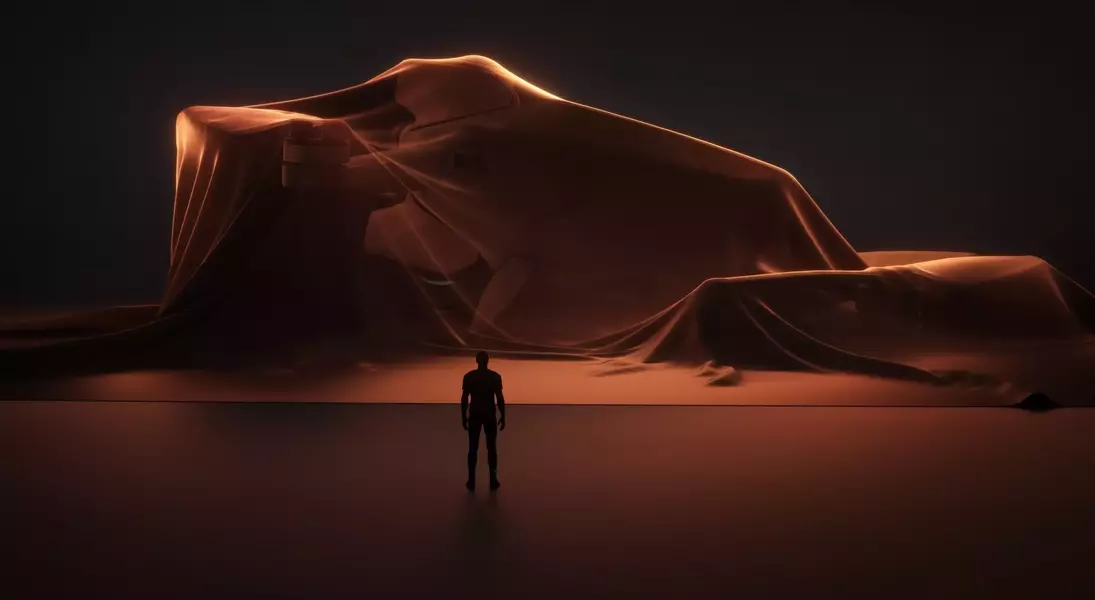
A new contender is entering the drone market, and it promises to be a game-changer. Antigravity, in collaboration with Insta360, has unveiled plans for a groundbreaking 360-degree drone that could significantly challenge current industry leader DJI. Unlike conventional drones, this innovative device is designed for simplicity and aims to democratize advanced aerial videography. Its standout feature is the ability to capture immersive 8K 360-degree video, eliminating the need for precise camera control during flight. This focus on an intuitive, user-friendly experience, combined with its lightweight design, suggests a significant shift in how aerial content can be created, opening up new possibilities for both enthusiasts and professionals.
Antigravity's forthcoming drone is not merely another competitor; it's charting a new course in aerial imaging. By integrating Insta360's renowned 360-degree camera technology, akin to a flying version of the Insta360 X5, this drone will be the first of its kind to offer comprehensive all-around capture directly out of the box. This innovative approach promises to \"replace the technical complexity inherent in both drone flying and 360-degree videography with expressive, story-first experiences that are easy to master yet exceptionally powerful.\" This emphasis on intuitive, family-friendly operation targets individuals who lack the time or inclination to master intricate flight controls and complex aerial content creation. For many, this simplification of the drone experience is a deeply compelling development.
While high-end drones like the DJI Mavic 4 Pro offer impressive power and advanced capabilities, the Antigravity drone takes a different path by prioritizing focused, low-complexity operation. One of its most significant advantages is its weight, which will be under 250g. This classification exempts it from many of the stringent regulations that govern heavier drones in various regions. For instance, in the US, sub-250g drones for recreational use do not require FAA registration, and in the UK, they are not subject to Flyer ID requirements and can be flown closer to uninvolved individuals, including in residential, recreational, commercial, and industrial areas. These reduced regulatory hurdles translate into greater freedom and flexibility for drone pilots.
Although DJI also produces lightweight drones such as the Mini series, the Antigravity drone's distinctiveness lies in its unique 360-degree video capability. Because the drone's camera system captures everything in its surroundings continuously, pilots no longer need to meticulously aim the camera at a specific subject during flight. Instead, users can concentrate solely on piloting the drone, allowing the 360-degree camera to record everything. Post-flight, the video can be reframed to highlight desired perspectives, ensuring that no critical moment is missed. This unprecedented integration of a 360-degree camera into a drone fundamentally differentiates the Antigravity device from its rivals. The ability to abstract away camera control, focusing entirely on flight path and positioning, represents a significant leap forward in user experience for aerial videography.
This innovative drone promises to simplify the often-complex process of aerial videography, allowing creators to focus on narrative and artistic expression rather than technical intricacies. Its unique 360-degree capture capability ensures that every angle is covered, providing unparalleled flexibility in post-production. With an August launch anticipated, the Antigravity drone is poised to redefine expectations for what a consumer-friendly, high-performance aerial imaging platform can achieve, inviting a broader demographic to explore the possibilities of drone photography and filmmaking.