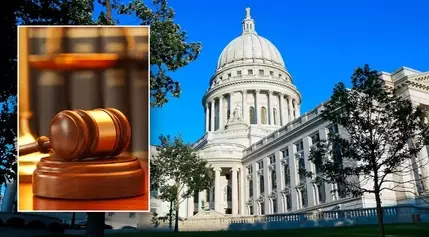
Around 700 hospitality employees at Virgin Hotels Las Vegas, who are Culinary Union members, took a significant step by walking off the job at 5 a.m. on Friday. This event showcases the ongoing tensions and struggles within the labor sector. In Wisconsin, a judge handed a major legal victory to public union workers on Monday. Act 10, which was signed by then-Governor Scott Walker in 2011 with the aim of cutting state costs, had previously renounced their collective bargaining rights. Dane County Circuit Judge Jacob Frost's ruling on Monday declared certain sections of Act 10 to be in violation of the Wisconsin Constitution.Unions' Stand and Legal Challenges
Wisconsin labor unions had argued that Act 10 limited their ability to organize and their right to speak under the First Amendment. In his ruling, Frost emphasized that several portions of the law were created "without a rational basis." This decision has sparked mixed reactions among Wisconsin legislators. Democrats praised the move, seeing it as a restoration of workers' rights. Republicans, on the other hand, expressed fiscal concerns about the decision. As one Wisconsin State Assembly speaker stated, "This lawsuit came more than a decade after Act 10 became law and after many courts rejected the same meritless legal challenges. Act 10 has saved Wisconsin taxpayers more than billion. We look forward to presenting our arguments on appeal." 2: The impact of Act 10 was not limited to the state legislature. In Las Vegas, the Culinary Union workers' strike at a hotel near the Strip highlighted the importance of collective bargaining in the hospitality industry. These workers are fighting for better working conditions and fair compensation. Their actions serve as a reminder of the power of unions in advocating for the rights of workers.
Former Educator's Perspective
Wisconsin state Rep. Ryan Clancy, a former educator, shared his support for the judge's decision. He recalled his experience as a teacher in Milwaukee Public Schools during Act 10 thirteen years ago. He witnessed firsthand the negative impact that the lack of collective bargaining had on the teaching profession, as well as on schools, students, and the community. He believes that the decision of Judge Jacob Frost will restore power to workers and the larger community, ensuring that every Wisconsin worker has access to fair and equitable working conditions. 2: The long history of disputes over Act 10 in both state and federal courts is a testament to the complexity of labor issues. After years of legal battles, the Wisconsin Supreme Court upheld the law in a 5-2 decision in 2014. However, Judge Frost's ruling has opened up a new chapter in the fight for workers' rights, and it remains to be seen how the appeals process will unfold.