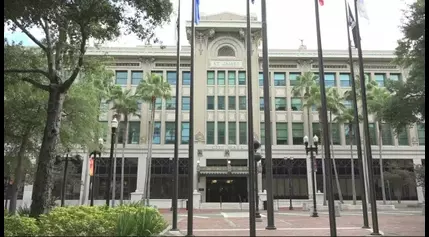
Navigating Jacksonville's Budget Battles: Tough Choices Ahead
The Jacksonville Finance Committee recently concluded its review of Mayor Donna Deegan's second budget, making significant cuts and adjustments to various initiatives. The committee's decisions have sparked discussions around the city's priorities, particularly in the areas of affordable housing, homelessness, and downtown development.Shaping the Future: Jacksonville's Budget Challenges
Affordable Housing and Homelessness Initiatives Face Cuts
The Finance Committee's decisions have had a significant impact on Mayor Deegan's affordable housing and homelessness initiatives. The committee eliminated a million affordable housing fund during the first budget hearing and cut million from a million planned response to the new state law that bans public camping. Finance Committee Chair Ron Salem cited the need for more public involvement and education before such initiatives are included in the budget.The administration, however, remains committed to these efforts. Phil Perry from the mayor's office stated that the reduced funding still allows them to "get started with this effort," though he acknowledged that it does not fully address the critical needs of supporting the city's vulnerable population and building safer neighborhoods.
Riverfront Parks Funding Delayed Pending Presentation
Another area of concern is the committee's decision to completely pull million in funding for Riverfront Parks until the Downtown Investment Authority and Public Works can provide a detailed presentation on how the money will be spent. Committee Chair Ron Salem wants this presentation to be made at the September 4th Finance Committee meeting, with the potential for the funds to be reinstated if necessary.The administration has expressed its support for these "transformational projects" for downtown, and it looks forward to collaborating with the City Council to refine and improve the plans.
Navigating Institutional Knowledge and Staffing Challenges
The committee's deliberations also touched on the importance of retaining institutional knowledge within the administration. A proposal to limit the Finance Department's budget and reduce its position cap by one employee was ultimately rejected, with Council member Rory Diamond's suggestion to eliminate the position of Mike Weinstein, the head city negotiator on the Jaguars stadium deal, being dismissed.The administration argued that Weinstein's expertise would be crucial in upcoming talks about a sports entertainment district and ongoing construction projects. Preserving institutional knowledge emerged as a key concern during the budget review process.
Balancing the Budget: Reserves and Spending Priorities
The Finance Committee's work also focused on reducing the million from the operating reserves that Mayor Deegan had originally proposed for one-time purposes. By the end of the process, the committee had cut or moved the majority of that funding, allocating less than million from the reserves.Council members expressed a greater comfort with the smaller amount of spending from the operating reserves, citing the need to align with the city's historical average spending patterns. However, the full City Council will have the opportunity to propose further changes to the budget in the coming weeks before the final vote at the end of September.
Additions and Adjustments: Highlights from the Finance Committee
Despite the significant cuts and delays, the Finance Committee did approve several notable budget additions:- .77 million for the Property Appraiser's office to retain employees with institutional knowledge- 0,000 for Animal Care and Protective Services to add 14 full-time and 1 part-time positions- 0,000 as a starting point for the Mayor's "Jax Journey Forward" initiative- 0,000 for the Jacksonville Symphony- 0,000 for the JaxCareConnect pilot program- 5,000 for the Mental Health Offender ProgramThese additions demonstrate the committee's efforts to address specific needs and priorities within the city's budget constraints.As the budget process moves forward, the City Council will have the opportunity to further shape the city's financial landscape, balancing the competing demands and priorities that have emerged during this review. The road ahead promises continued discussions and tough choices, as Jacksonville navigates the complexities of its budgetary challenges.