Expert Tips for Growing and Designing With Beautiful Boxwood

2021-02-26
Expert Tips for Growing and Designing With Beautiful Boxwood

Boxwood has a long history in garden design, from ancient Rome to modern-day suburbia. A tidy boxwood hedge is a staple in traditional formal gardens, but landscape designers are also using the evergreen in fresh ways. Paired with ornamental grasses and flowering perennials, these elegant shrubs can look informal and entirely new. Another recent shift in the world of boxwood (Buxus spp.) is in the approach to care. Rather than shearing the shrub into any shape you please, growers now recommend starting with a variety that naturally grows into your desired shape and size, and then pruning selectively as it grows. This technique keeps your plant healthier, ultimately making it less susceptible to blight, a fungus that can wipe out the shrub. If you choose blight-tolerant varieties and treat them right, you can look forward to a long, happy life for the boxwood in your garden.

How to Grow Boxwood

Landscape architect, boxwood grower, and former director of the American Boxwood Society, Andrea Filippone shares her essential care tips.

1. Conditions

Boxwood thrives in full sun to part shade. Those in full shade won't grow as vigorously. Plants in full sun, particularly in hot inland areas, can be at risk of scorching. Hardiness depends on variety, but most grow in Zones 5-9.

2. Drainage

Plant in loose, quick-draining soil. Boxwood don't like soggy soil. Amend heavy clay soils with sand before planting.

3. Spacing

Spacing needs vary depending on mature size of the cultivar. Avoid planting too tightly, which crowds their shallow roots and prevents air circulation. Check the plant tags and err on the side of more room.

4. Water

After planting and for the first couple of months while your plant gets established, water one to two times per week. After that, keep an eye on the plant and the soil, Filippone says. In general, aim to water the root ball well, then allow soil to dry out between waterings. Keep potted boxwood on drip irrigation, if possible, because soil can dry out quickly.

5. Fertilizer

Filippone recommends using only organic fertilizers, such as compost or compost tea, to create healthy plants.

How to Prune Boxwood

According to Filippone, less is more when it comes to best pruning practices for boxwood. Limit pruning to only twice a year: once in the summer up until August and again in December (or wait until spring in cold-winter climates).

Boxwood push new growth where they're cut, Filippone explains, so shearing (clipping only the outermost layer of leaves) leads to a dense outer layer that blocks light and air from reaching the center. That dark environment encourages pests and disease. Instead, she recommends gently and selectively clipping a few inches of growth by hand with pruning shears to control size and shape. Next, make selective cuts with the pruners into the outer six inches to allow more light and air to reach the center: Angle the pruners into the shrub, making cuts where the boxwood begins branching. Remove the clipped branches as well as any dead twigs.

Andrea Filippone

Boxwood are my building blocks for design, allowing me to create structure and outdoor rooms—that won't be devoured by deer!

— Andrea Filippone

Dealing with Boxwood Blight

Boxwood blight can be devastating. It starts as dark spots on leaves, which then brown and fall off the branches. The disease can quickly spread to nearby boxwood. To prevent it, avoid creating the moist conditions the blight fungus thrives in by not watering overhead and not shearing. Plant only cultivars known to be less susceptible to blight, and avoid the especially problematic 'Suffruticosa' English boxwood. To prevent potential spread between plants, dip pruners into a 10-percent bleach solution after use on each plant (add one part bleach to nine parts water). Dispose of infected plants and the soil around it in trash bags; don't compost.

Garden Design Ideas for Boxwood

01 of 04

Hedgers and Edgers

A series of small boxwood balls forms a cottage-style hedge around raised beds in this kitchen garden by garden designer Elizabeth Everdell.

02 of 04

Container Accents

Keep it simple with topiary boxwood in classic terra-cotta containers. In a garden by Denler Hobart Gardens, cones and globes sit side by side to dress up a stone patio.

Tip: Use tall potted boxwood to frame a stairway or path.

03 of 04

Perennial Backdrop

A double layer of boxwood hedges in this Denler Hobart-designed garden give structure to this border of irises, roses, and lady's mantle.

04 of 04

Architectural Shapes

Strong pyramidal forms softened by grassy perennials created an unexpected foundation planting by Jon Carloftis.
Related Article

How to Plant and Grow Coleus Plants for Their Gorgeous Leaves

How to Plant and Grow Coleus Plants for Their Gorgeous Leaves

These coleus plant care tips will give you plenty of stunning foliage to enjoy in both sun or shade.
How and When to Cut Back Mums for the Best Blooms

How and When to Cut Back Mums for the Best Blooms

Use these tips to pinch and cut back mums at the right times to get the most flowers.
Are Pansies Perennials That Will Come Back After Winter?

Are Pansies Perennials That Will Come Back After Winter?

Grow pansies as perennials or annuals to provide color during cool spring and fall weather. Plus get tips on when to plant pansies and how to grow them from seed.
How to Plant and Grow Cup Plant

How to Plant and Grow Cup Plant

Follow this easy guide to plant and grow cup plant, a tall North American native perennial that attracts birds and pollinators.
How to Plant and Grow Milkweed

How to Plant and Grow Milkweed

The main food source for monarch butterfly caterpillars, milkweed also attracts lots of other pollinators. Learn how to grow this pretty native plant, deal with pests, choose the best types of milkweed, and what companion plants to grow with it.
How to Plant and Grow Bush Honeysuckle

How to Plant and Grow Bush Honeysuckle

Also called diervilla, bush honeysuckle is an easy-care native shrub that attracts pollinators with cheerful yellow flowers.
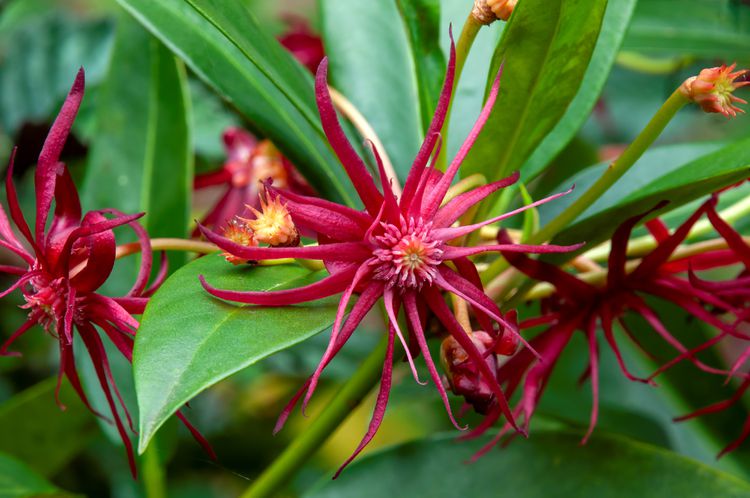
How to Plant and Grow Florida Anise

How to Plant and Grow Florida Anise

Florida anise is a Southeastern native shrub that is gaining popularity for good reason; it’s an easy-to-grow, shade-loving shrub with year-round garden interest.
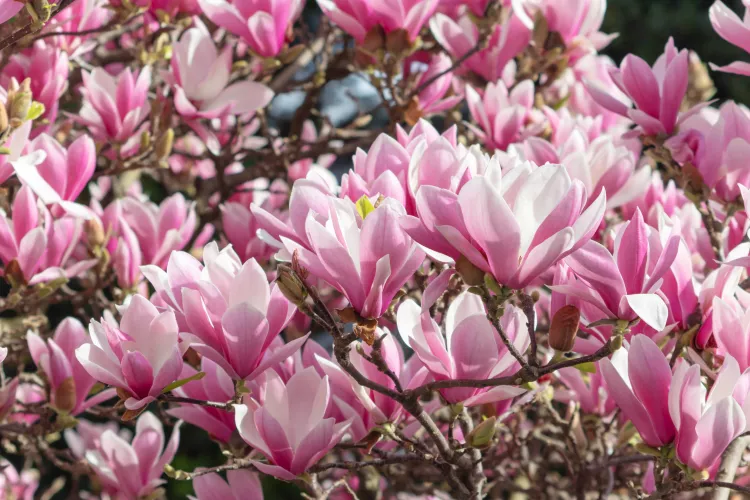
10 Stunning Types of Magnolia Trees and Shrubs for Your Landscape

10 Stunning Types of Magnolia Trees and Shrubs for Your Landscape

There is a type of magnolia tree or shrub for every landscape. Use this guide to choose the best magnolia for your garden.
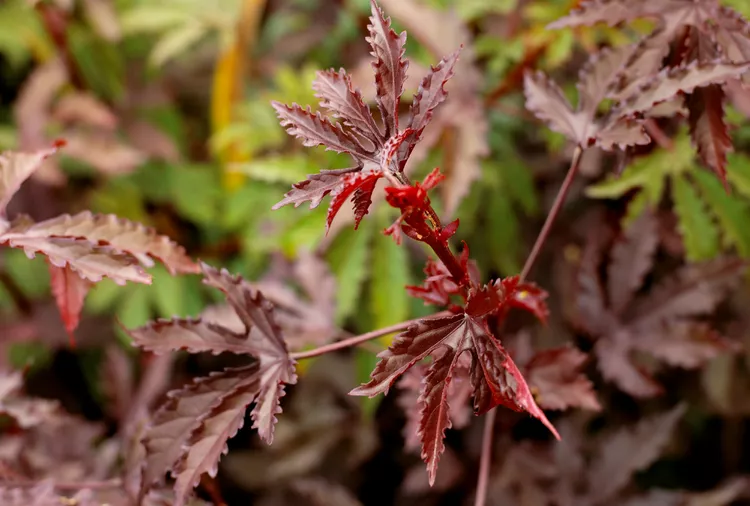
How to Plant and Grow Cranberry Hibiscus

How to Plant and Grow Cranberry Hibiscus

The burgundy foliage of cranberry hibiscus is welcome in areas with full sun and plenty of heat. This guide includes planting and care tips to grow cranberry hibiscus in your garden.
Expert Tips for Growing and Designing With Beautiful Boxwood

Expert Tips for Growing and Designing With Beautiful Boxwood

With our boxwood garden ideas, you'll create durable changes to your landscaping. Boxwoods, a type of evergreen, are an elegant addition to a formal garden. Learn how to care for boxwood, so that your boxwood garden thrives.
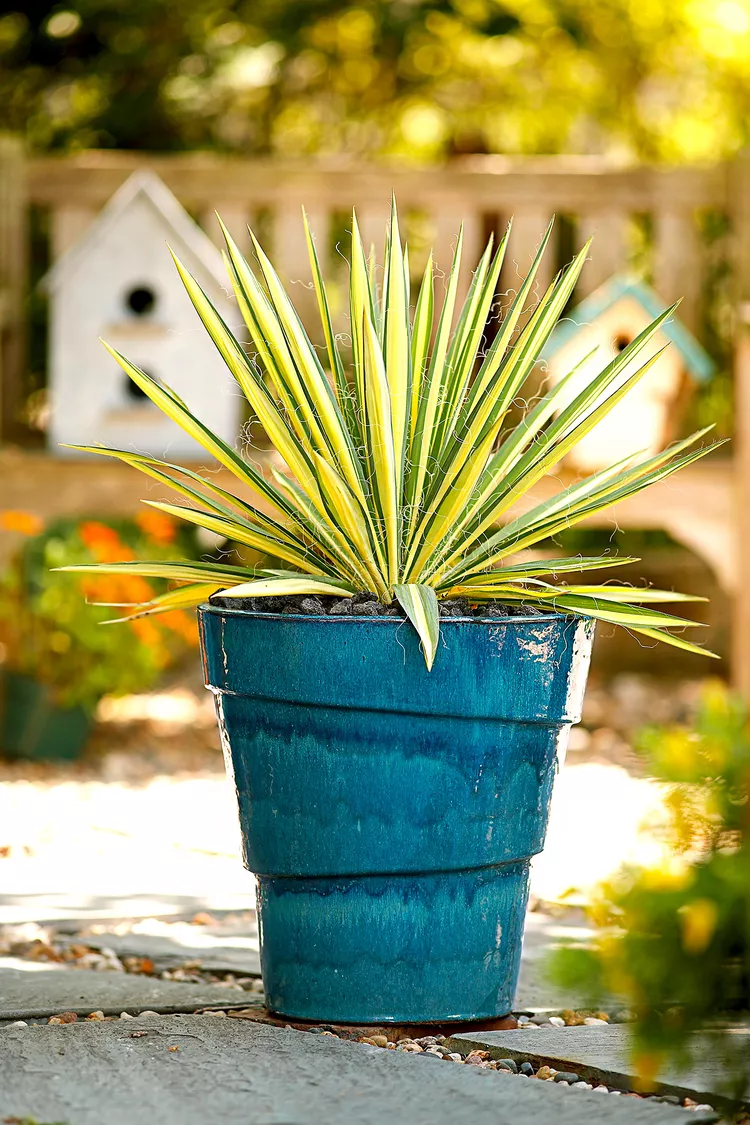
19 Rabbit and Deer-Resistant Container Plants for Your Garden

19 Rabbit and Deer-Resistant Container Plants for Your Garden

These rabbit and deer-resistant container plants don’t usually attract furry four-legged creatures for a snack or meal.
How to Harvest Mint, Dry Mint, and Store Mint

How to Harvest Mint, Dry Mint, and Store Mint

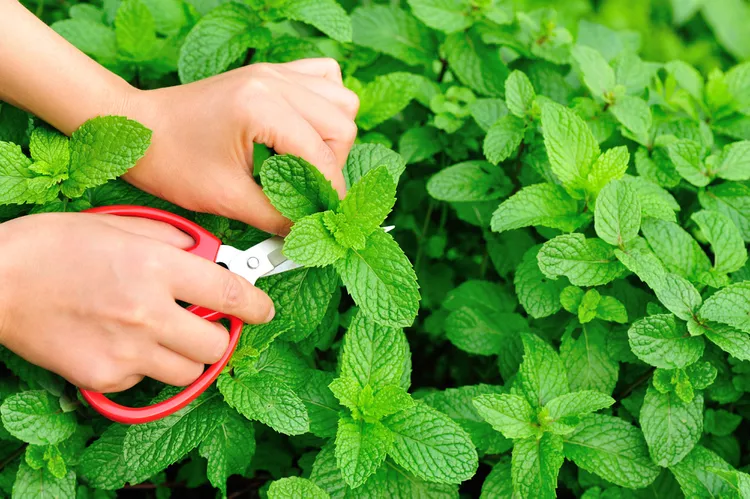
Learn how to harvest mint to keep plants more manageable and gather fresh mint leaves for cooking, drying, and storing!
How and When to Harvest Peas at Their Peak

How and When to Harvest Peas at Their Peak

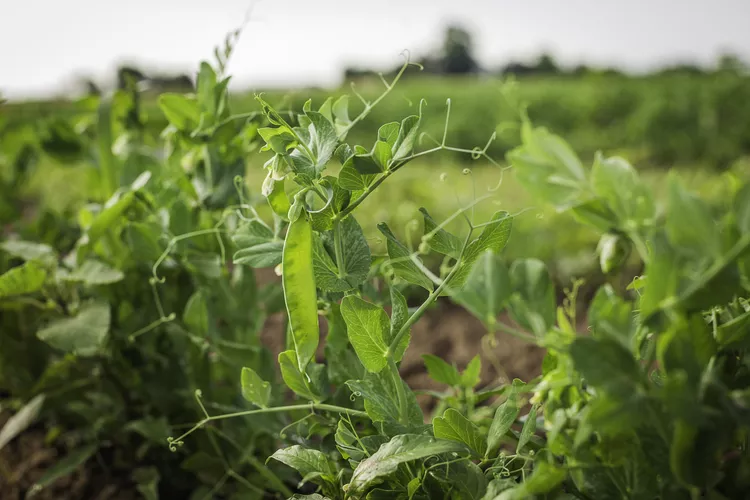
How and when to harvest peas depends on the type. Find out how to time your harvest right for each type of pea, and get tips for plucking pods without damaging the plant.
Is Your Outdoor Plant Dead or Dormant? 5 Easy Ways to Tell

Is Your Outdoor Plant Dead or Dormant? 5 Easy Ways to Tell

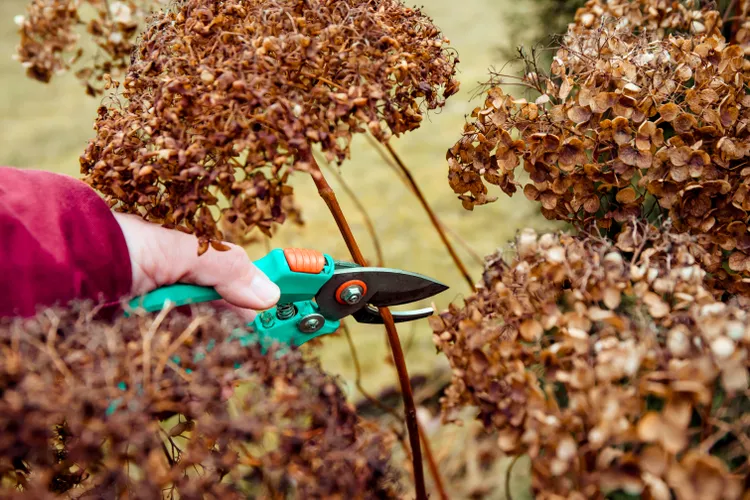
Not sure if a garden plant is dead or dormant after the winter? These tips well help you tell the difference.
Liquid vs. Granular Fertilizer: Which One Is Better for Your Plants?

Liquid vs. Granular Fertilizer: Which One Is Better for Your Plants?

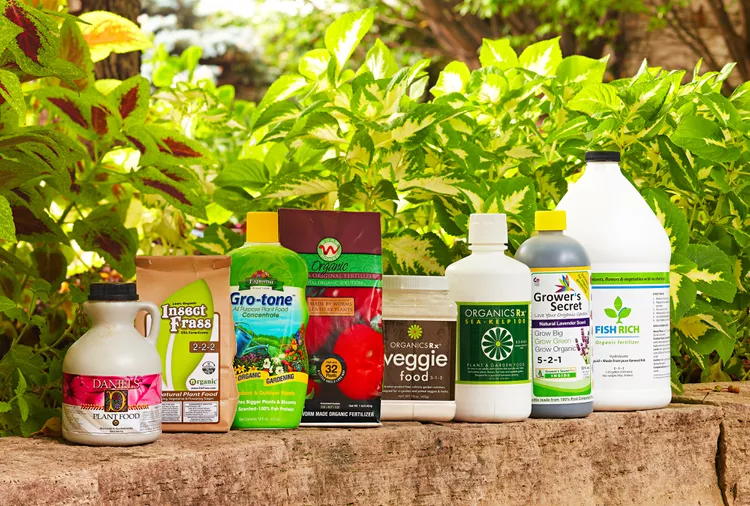
Take the mystery out of feeding your plants by learning the pros and cons of liquid vs. granular fertilizer. Find out how and when to best apply both types of fertilizers.
How to Prevent Powdery Mildew on Squash Plants for a Healthy Crop

How to Prevent Powdery Mildew on Squash Plants for a Healthy Crop

Learn what you can do to protect powdery mildew on squash plants and stop an infection before it gets out of hand.
How to Get Rid of Weeds in Flower Beds—and Stave Off New Ones

How to Get Rid of Weeds in Flower Beds—and Stave Off New Ones

Unwanted plants among your treasured blooms can ruin the whole effect. But with the right tools and techniques, you can eliminate the invaders.
4 Grass Alternatives for Yards with Major Curb Appeal

4 Grass Alternatives for Yards with Major Curb Appeal

Gravel, artificial turf, groundcover plants, and large planting beds are traditional grass lawn alternatives. Pick one for your yard from our list.
How to Use a Weed Whacker to Fly Through Your Landscaping Chores

How to Use a Weed Whacker to Fly Through Your Landscaping Chores

This guide will help you use a weed whacker efficiently and safely to accomplish weed removal, edging, trimming, and other landscaping tasks
How to Plant and Grow Horsetail

How to Plant and Grow Horsetail

Horsetail is a water-loving plant that looks stunning almost anywhere—as long as you take measures to control it.